

It was a gut-wrenching moment. I watched my Google Maps rankings tumble just as I invested hundreds into yet another local SEO service promising instant results. Frustration turned to realization—I’d been throwing money at the wrong tactics, chasing ideas that sounded good but delivered little. Browsing forums, I stumbled upon a simple truth: in 2026, the game is changing fast, and if you’re not adapting, you’re wasting your budget. Have you ever felt that sinking feeling, knowing you’re pouring cash into strategies that don’t stick?
Why Ignoring Proven Map SEO Tactics Costs You Big Time
In my early days, I made the mistake of relying solely on generic citations and outdated keywords. The result? A spike in costs with minimal traffic improvement. Turns out, the local map rankings are now driven by nuanced signals—things like user engagement, behavioral patterns, and AI-driven insights. According to BrightLocal, 78% of local mobile searches lead to offline purchases, making your ranking efforts directly tied to your revenue. That’s why understanding what truly moves the needle is essential.
If you’re like me, you’ve probably faced the dilemma: do I keep pouring money into what worked in 2023 or pivot to these new tactics? Luckily, there are validated strategies that can boost your map presence without draining your budget. I’ll show you how in the upcoming sections. But first, let’s tackle a common skepticism—do these new tactics really make a difference? Or is it all hype? Keep reading to find out, and discover how to elevate your local rankings effectively.
Prioritize Your Google Business Profile
Your first step is ensuring your GBP listing is fully optimized and correct. Double-check your NAP (Name, Address, Phone Number) consistency across all platforms, and ensure your primary categories accurately reflect your services. Fill out every detail, from hours to attributes, and regularly update photos. These actions send clear signals to Google about your relevance.
Leverage Local Engagement Signals
Encourage satisfied customers to leave detailed reviews with specific keywords related to your business. Respond to each review promptly, thanking customers and addressing concerns. Increased review activity and engagement are proven to positively influence your map rankings, especially when reviews contain location-specific language. Integrate local keywords naturally in your responses and review requests.
Utilize Hyper-Local Content Marketing
Create content that resonates with your neighborhood. Publish blog posts, updates, or offers that reference local events, hotspots, or landmarks. Embed geographically relevant keywords to increase your local relevance. This strategy boosts proximity signals and helps your listing appear in hyper-local searches.
Optimize Visual and Behavioral Signals
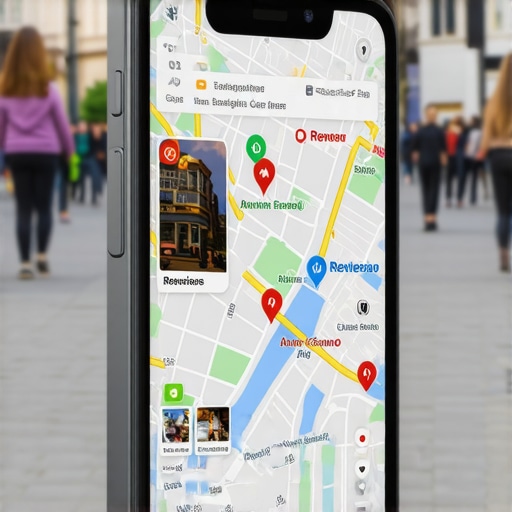
Use high-quality, locally-themed images regularly. Google favors fresh visual content that enhances user experience. Additionally, enhance user behavior metrics by improving your website’s local landing pages for speed and mobile-friendliness. Better engagement metrics signal to Google that your listing is valuable, improving your rank.
Harness AI-Driven Insights and Data
Implement tools that analyze local search trends and user behavioral data to identify opportunities. For example, using advanced analytics can highlight underserved keywords or areas. Apply these insights to refine your keyword targeting, content, and service offerings. This proactive approach helps you stay ahead of algorithm shifts and competitors.
Build Genuine Local Citations and Backlinks
Secure citations on reputable local directories with consistent NAP details. Focus on niche-specific and hyper-local directories rather than generic ones. Additionally, cultivate backlinks from local newspapers, community blogs, or sponsorships. These signals strengthen your authority and trustworthiness in Google’s eyes, lifting your map position.
Continuously Monitor and Adjust
Track your ranking progress using tools like Google’s own insights or third-party SEO software. Observe which signals correlate with ranking changes and adjust your tactics accordingly. Regular audits help you identify and fix issues promptly, maintaining momentum in your map rank lift efforts.
Applying these steps with consistency creates a layered, resilient local SEO strategy that leverages current algorithm preferences. Remember, staying adaptable and data-informed is key to dominating local search in 2026 and beyond.
,Many believe that optimizing a Google Business Profile (GBP) and building citations are the only factors to improve map rankings, but in my experience, this oversimplifies the complex nature of local SEO. The truth is, most practitioners get caught up in the visible tactics while neglecting subtle yet powerful signals that truly influence rankings. For example, the role of user behavioral data—such as click-through rates, dwell time, and repeat visits—can be game-changers in how Google assesses your local relevance. These nuanced signals operate behind the scenes, yet they can substantially lift your map position when properly harnessed. However, a common myth persists that once you’ve optimized your GBP and accumulated citations, your rank will automatically improve. This false belief can lead to complacency, causing businesses to overlook the importance of ongoing behavioral optimization and AI-driven insight integration. An advanced mistake many make involves misunderstanding how Google’s local AI interprets data. According to expert analysis from Moz, AI algorithms are now better at detecting genuine engagement from fake or manipulated signals. This means strategies such as artificially inflating review counts or using generic local content are less effective and can even harm your ranking in the long run. Are you aware of how behavioral and AI signals might be working against or for your current strategy? Let’s dig deeper into this nuanced aspect and how to adapt for sustainable growth. For comprehensive guidance on leveraging these subtle signals, review the detailed strategies outlined in our cornerstone content on [map SEO boost techniques](https://boostyourmaprank.com/map-seo-boost-techniques-to-elevate-your-local-presence). Additionally, exploring expert tips on [mastering maps rank lift](https://boostyourmaprank.com/mastering-maps-rank-lift-expert-tips-for-2025) can provide deeper insights into advanced tactics that complement your existing efforts. Remember, in the fast-evolving landscape of local SEO, understanding and exploiting these hidden signals can be your edge. Have you ever fallen into this trap? Let me know in the comments.
Keep Your Map Rankings Strong: The Tools That Deliver Results
Staying ahead in local SEO requires more than just initial optimization; it demands consistent maintenance and precise tools. I personally rely on BrightLocal for its comprehensive local citation auditing and review tracking features, which help me identify and fix inconsistent NAP data across directories, ensuring my listings remain authoritative. Additionally, SEMrush’s Local SEO toolkit offers valuable insights into local keyword rankings and competitive analysis, allowing me to adapt my strategies proactively. These tools provide real-time data and automation options that save hours weekly, keeping my map rankings stable and improving over time.
Another underrated asset is Google My Business Manager. I use it to schedule posts, update services, and monitor customer interactions effortlessly. Regularly engaging with customer reviews and posting fresh content signals ongoing activity, which Google favors. These routine checks prevent ranking stagnation caused by outdated or incomplete profiles.
How Do I Maintain Map Ranking Gains Over Time?
Stability in rankings is achieved through diligent upkeep and leveraging the right technology. I recommend setting up a recurring audit of your NAP consistency using BrightLocal’s audit feature, coupled with a regular review of your local keyword performance through SEMrush. Automating review requests via tools like our contact platform ensures you gather fresh, keyword-rich reviews that bolster your visibility. Additionally, monitoring user engagement and behavioral signals—such as click-through rates and dwell time—using heatmap tools like Hotjar can highlight areas needing improvement, keeping your profile attractive to Google’s AI.
Looking ahead, the trend points toward AI-driven insights becoming even more essential. Tools that analyze user interaction patterns and provide actionable recommendations will dominate local SEO maintenance. Experimenting now with AI-powered analytics platforms can give you an edge in sustaining and scaling your map rank lift.
Don’t wait until rankings slip to act. Incorporate regular profile audits, engagement analysis, and automation. For a deep dive into integrating these practices seamlessly, review our comprehensive guide on map SEO tools and start elevating your local presence today. Consider testing an automated review request system this week—small changes can lead to significant long-term results.
Lessons That Changed My Approach to Map SEO
One of the most valuable insights I uncovered was that the real power in local rankings comes from nuanced signals that are often overlooked. Focusing solely on citations or GBP optimization is like trying to win a race by only stretching your legs; you need a full-body strategy. I realized that behavioral metrics such as dwell time and user engagement are more influential than I once thought, especially with AI’s growing role in ranking algorithms. This lesson pushed me to analyze how visitors interact with my listings and website, leading to smarter optimization tactics that delivered persistent results.
Another surprising truth was understanding that fake engagement hacks — like manipulating reviews or keyword stuffing — have diminishing returns and can even harm your rankings long-term. Authentic signals, derived from genuine customer interactions and meaningful content, are now the gold standard. Discovering that the path to sustainable growth lies in real local community involvement and consistent content creation transformed my approach entirely. If you’re serious about boosting your map presence in 2026, embracing these subtle but powerful signals is essential.
My Trusted Arsenal of Local SEO Allies
Over the years, I’ve relied on tools that provide actionable insights without overwhelming me. BrightLocal has been instrumental in maintaining citation accuracy and review management because it simplifies tracking local signals and fixing inconsistencies. For competitive analysis and keyword tracking, SEMrush’s Local SEO toolkit helps stay ahead of industry shifts and identify emerging opportunities—these have become my go-to for data-driven decisions. Additionally, for website engagement insights, tools like Hotjar have helped me understand user behavior, ensuring my local landing pages are optimized for maximum local impact. Trusting these technologies has been key to maintaining and building upon my rank improvements.
Beyond tools, I value resources that deepen my understanding of evolving algorithms. The comprehensive articles on map SEO techniques and expert tips for rank lift have kept me on the cutting edge. These platforms distill complex changes into actionable steps, preventing me from falling behind. Adopting a mix of these resources keeps my strategies fresh and effective in a competitive local landscape.
Your Next Move Toward Local Domination
Imagine waking up tomorrow with a clearer roadmap for dominating your local search arena—that’s entirely possible when you focus on genuine signals and strategic tools. 2026 is shaping up to be the year where subtle cues make all the difference, and being proactive now ensures your business isn’t left behind. Stay curious, keep experimenting, and don’t shy away from leveraging AI insights to refine your tactics. If you’re ready to push your map rankings to new heights, start small but stay consistent. The journey to local dominance begins with a single step—are you prepared to take it today?
Reading this post really hit home for me. I’ve also experienced that sinking feeling of investing heavily in local SEO tactics that don’t seem to stick around long-term. What stood out most was the emphasis on behavioral signals and AI-driven insights. I’d add that integrating tools like Hotjar to analyze user interactions on local landing pages can make a real difference in understanding what motivates potential customers to act. I’ve found that small tweaks—like improving page load speed and mobile friendliness—can significantly boost engagement metrics, thereby influencing rankings more than just citations or reviews alone. Have any of you tried combining behavioral data with AI insights to refine your local strategy? I’d love to hear what has worked best in your experience, especially in competitive markets. I think the key is staying adaptable and continuously tracking what signals are most effective in your specific niche.