
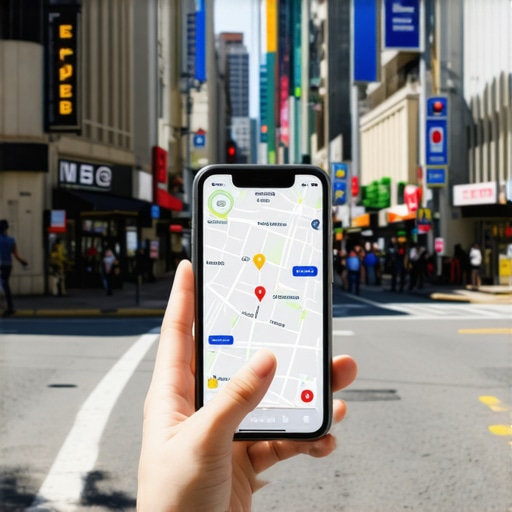
Have you ever sat in your local business, staring at your Google Maps listing, wondering why your competitor’s pin is glowing with reviews and visibility, while yours remains buried in the digital shadows? I’ve been there. I remember the frustration of pouring hours into my listing, only to see little to no movement. That was until I had my lightbulb moment — realizing that local map SEO isn’t just about being present; it’s about being strategic. Today, I want to share how I cracked the code and skyrocketed my local rankings, and how you can do the same in 2024.
Why Local Map SEO Matters More Than Ever in 2024
In recent years, local search has transformed dramatically. According to a recent study by BrightLocal, 78% of local mobile searches result in an offline purchase, making your Google Map ranking a critical factor in attracting nearby customers. But what makes 2024 different? The algorithms are smarter, competition fiercer, and the expectations from consumers higher. If your business isn’t showing up near the top of local search results, you’re missing out on a flood of foot traffic and revenue. That’s why mastering proven local map SEO techniques is no longer optional — it’s essential for survival.
Have You Faced This Problem?
Are you tired of watching competitors climb the ranks while your listing stays stagnant? Do you feel overwhelmed by conflicting advice and endless SEO strategies? Trust me, I’ve been there. Early on, I made the mistake of neglecting the importance of consistent NAP (Name, Address, Phone Number) details and ignoring customer reviews. That oversight cost me valuable visibility. However, once I started implementing targeted strategies, like optimizing my Google Business Profile and leveraging local keywords, my rankings began to improve — fast.
If you’re ready to stop guessing and start ranking, I’ll guide you through the most effective techniques that deliver measurable results. From understanding Google’s ranking factors to implementing actionable tactics, this is your step-by-step roadmap to local SEO success in 2024.
Optimize Your Google Business Profile (GBP) for Maximum Impact
Start by claiming and verifying your Google Business Profile if you haven’t already. Ensure all information is accurate, consistent, and complete — including your business name, address, phone number, website, and hours of operation. Use primary local keywords naturally in your business description and services. Upload high-quality, relevant images that showcase your offerings and storefront. Regularly update your profile with new photos, posts, and offers to keep it fresh and engaging. Remember, a well-optimized GBP acts as the foundation for your local map SEO success. For a comprehensive guide, check here.
Harness the Power of Local Keywords and Content
Identify high-intent local keywords using tools like Google Keyword Planner or Ahrefs. Incorporate these keywords into your website content, service pages, blogs, and FAQs. Think of local keywords as the GPS coordinates that guide customers right to your door. Write hyper-local content that speaks to community events, neighborhood features, or local news — this builds relevance and signals to Google that your business is a vital part of the community. Use location-specific terms naturally to avoid keyword stuffing and enhance readability. For detailed keyword strategies, see this resource.
Build Quality Local Citations and Consistent NAP Data
Ensure your business’s Name, Address, and Phone number (NAP) are consistent across all online directories, review sites, and social platforms. Think of citations as digital word-of-mouth endorsements. Submit your business info to reputable directories like Yelp, Bing Places, and industry-specific sites. Use tools like Moz Local or BrightLocal to audit your citations regularly and correct any inconsistencies. The more accurate your NAP data, the more Google trusts your listing, boosting your local ranking. For a step-by-step citation audit, visit this guide.
Generate and Manage Customer Reviews Strategically
Reviews are social proof that influence local rankings and customer decisions. Encourage satisfied customers to leave positive reviews on your GBP and other relevant platforms. Make it easy by sending follow-up emails or SMS with direct review links. Respond promptly and professionally to all reviews, whether positive or negative — this shows engagement and builds trust. Incorporate keywords naturally into your responses to reinforce relevance. Remember, genuine reviews are more impactful than fake ones. For review collection tactics, see this article.
Leverage Local Backlinks and Community Engagement
Backlinks from local websites, chambers of commerce, and community blogs signal to Google that your business is a trusted local authority. Reach out to local partners for sponsorship or collaboration opportunities that can generate backlinks. Participate in community events and get featured in local media or blogs. The more high-quality local backlinks you earn, the higher your map ranking will climb. Think of backlinks as votes of confidence — the more you have from reputable local sources, the stronger your local SEO authority. For backlink strategies, explore this resource.
Consistent Monitoring and Optimization
Regularly track your rankings, traffic, and review activity. Use tools like Google Insights and local SEO dashboards to identify areas for improvement. Test different keywords, update your profile, and refine your content strategy based on performance data. Local SEO is a continuous process — stay proactive and adapt to algorithm changes and local market shifts. For advanced tactics and ongoing updates, visit this guide.
While many believe that optimizing your Google Business Profile and building citations are enough to rank higher on Google Maps, there’s a deeper, often overlooked nuance that can make or break your local SEO strategy — the importance of semantic relevance and context. Let’s dig deeper into what most people get wrong about this crucial aspect.
Commonly, local businesses focus on stuffing keywords into their profile and website content, assuming that Google’s algorithm will reward aggressive keyword placement. However, recent studies, such as those by Moz and Google’s own updates, show that contextual relevance and knowledge graph signals are becoming more influential than mere keyword density. In other words, Google is increasingly understanding the intent and semantic relationships behind search queries.
Contrary to popular belief, it’s not just about optimizing for keywords but about creating a rich, semantically interconnected content ecosystem that signals to Google your authority and relevance in your local niche. For example, incorporating related terms, local landmarks, and community references helps Google connect your business with the local context, enhancing your relevance.
Now here’s the Oops! factor — many marketers fall into the trap of over-optimizing their profiles and websites with keyword stuffing, which can actually harm their rankings. Google’s algorithms are smarter than ever and can penalize keyword spamming, especially if it’s not natural. Instead, focus on building a comprehensive local content strategy that emphasizes relevance and user intent.
What advanced tactics can help leverage semantic relevance effectively?
One proven approach is to leverage local schema markup to give Google explicit signals about your business category, services, and local landmarks. Additionally, creating community-focused content and engaging with local forums or blogs can help establish your authority in your niche, which Google recognizes through contextual signals.
In conclusion, mastering the nuances of semantic relevance and context is essential for advanced local SEO success. It’s no longer just about keywords; it’s about creating a web of meaningful signals that tell Google you’re the most relevant local business. Want to learn more about elevating your local map rankings? Check out this comprehensive guide to fast-track your progress.
Have you ever fallen into this trap? Let me know in the comments!
Maintaining your local map SEO rankings is an ongoing process that requires the right tools and consistent effort. Over time, local search algorithms evolve, competitors ramp up their strategies, and your own business details may change. To keep your rankings high and your visibility steady, it’s crucial to leverage specialized tools and adopt a proactive maintenance routine.
How do I maintain my local map SEO over time?
One of the most effective ways to ensure your local SEO efforts remain effective is by using dedicated management platforms like BrightLocal or Moz Local. These tools offer comprehensive dashboards that monitor your citations, reviews, and rankings across multiple platforms. I personally rely on BrightLocal because it provides detailed citation audits, review tracking, and competitor analysis in one place. This allows me to quickly identify inconsistencies in NAP data, track review reputation, and adjust my strategy before small issues snowball into ranking drops.
Another indispensable tool I use is Google Search Console. It helps me understand how Google perceives my website’s performance in local searches, including click-through rates and keyword impressions. Regularly reviewing these insights allows me to identify new local keywords to target and optimize my content accordingly. Additionally, I use SEMrush’s local SEO toolkit to analyze competitors and discover gaps in my own strategy, which I can then fill with targeted content or backlink efforts.
For ongoing content optimization, I utilize Yoast SEO on my website, ensuring my local keywords are naturally integrated into every page and blog post. This is especially important as Google shifts toward semantic relevance, rewarding contextually rich content over keyword stuffing. I also recommend setting up a routine for reviewing and updating your Google Business Profile — adding new photos, responding to reviews, and posting updates. This keeps your listing fresh and signals activity to Google, which can positively influence your rankings.
Why is long-term monitoring essential?
Local SEO isn’t a set-and-forget tactic; it’s a continuous process. As algorithms evolve, new competitors emerge, and customer behaviors shift, your rankings can fluctuate. Tools like this resource emphasize the importance of regular tracking and adaptation. By maintaining a disciplined review schedule, you can catch ranking drops early, fix citation inconsistencies, or adjust your review strategy to sustain your local dominance.
In the future, I predict that AI-driven local SEO tools will become more sophisticated, providing even smarter insights and automation capabilities. Staying ahead will mean integrating these advanced tools into your routine, allowing you to respond swiftly to algorithm changes and local market dynamics. For now, focus on leveraging proven management platforms, maintaining your GBP actively, and continuously refining your content based on data. Ready to elevate your local SEO maintenance game? Try setting up automated citation audits with BrightLocal today and see how it streamlines your long-term success.
The Hardest Lesson I Learned About Local Map SEO
One of the most eye-opening realizations I had was the importance of semantic relevance over mere keyword stuffing. Early in my journey, I believed that optimizing for keywords was enough, but I quickly learned that Google’s algorithms are smarter and prioritize context. Emphasizing local landmarks, community references, and related terms created a web of relevance that truly boosted my rankings.
My Myth-Busting Experience with Local Citations
I used to think that submitting my business to hundreds of directories would skyrocket my visibility. Turns out, quality over quantity is the key. I discovered that consistent NAP data and reputable citations from trusted sources made a more significant impact than sheer volume. This insight saved me time and improved my local SEO results dramatically.
The Lightbulb Moment with Customer Reviews
Encouraging reviews is common advice, but I realized that strategic review management — responding thoughtfully and incorporating relevant keywords — built trust and improved my local relevance. Genuine engagement with customers created a community around my business, which Google rewarded with higher rankings.
Curated Recommendations for Local Map SEO Mastery
Google Business Profile Optimization: I rely on this guide for comprehensive GBP strategies, which helped me ensure my profile is complete and engaging.
Local Keyword Tools: Google Keyword Planner and Ahrefs have been invaluable for identifying high-impact local keywords that resonate with my community. They helped me craft content that truly connects.
Citation Management Platforms: BrightLocal and Moz Local are my go-to tools for maintaining NAP consistency and auditing citations, keeping my profile trustworthy in Google’s eyes.
Review Management Software: I use Podium to streamline review collection and response, ensuring I stay engaged with my customers and signal activity to Google.
Inspiring Action for Local SEO Enthusiasts
Remember, mastering local map SEO isn’t just about ticking boxes — it’s about weaving relevance, community, and authenticity into your strategy. The journey requires patience, but the rewards are well worth the effort. Dive into these insights, experiment consistently, and watch your local visibility soar. Your success story starts today — why not take the first step right now?
What’s the biggest challenge you’ve faced in optimizing your local map presence? Share your experience below — I’d love to hear your story!
This post really hits the nail on the head about the importance of semantic relevance in local SEO. I’ve noticed that creating community-focused content and leveraging schema markup has made a real difference in my own efforts. It’s interesting how Google is shifting its focus from keyword stuffing to understanding the intent behind searches. One challenge I’ve faced is maintaining NAP consistency across numerous directories, which can be tedious but is so crucial for trustworthiness.
I’ve started using BrightLocal for citation audits, and it’s been a game-changer in keeping my data accurate. Also, responding to reviews with personalized, relevant comments has helped build community engagement and improved my rankings. Has anyone experimented with local backlinks from niche blogs or local news sites? I’m curious about how effective this strategy has been and if it’s worth the time investment based on your experience.