
So there I was, staring at my screen, after spending countless hours optimizing my Google Business Profile (GBP). Despite all the efforts—keyword stuffing, perfect photos, and glowing reviews—I watched my map ranking stubbornly flatline. It was like shouting into a void. That lightbulb moment hit me: I was missing a crucial piece of the puzzle—hyper-local edits that could skyrocket my traffic in 2026.
Why Small Edits Make a Big Impact on Map Rankings
In my early days, I believed that the key to better rankings was more backlinks or flashy website design. Turns out, subtle, hyper-local tweaks can be game-changers. Local search algorithms are becoming smarter, giving more importance to signals that demonstrate genuine community relevance. Implementing these targeted edits not only improved my visibility but also brought in more foot traffic than I ever expected.
Is Boosting Your Map Rank Worth the Hype?
Admittedly, I was skeptical at first. I thought, “Are these minor tweaks really enough?” But after some trial and error—and a notable increase in local calls—I realized the power of hyper-local edits. However, I once made a common mistake: focusing solely on reviews and neglecting key location data. That oversight cost me valuable time and rank drops. Today, I’ll share how to avoid my pitfalls and harness these edits effectively to stay ahead.
According to a recent study, businesses that optimize local signals see a 20% increase in foot traffic, highlighting the importance of precise local edits (source). With 2026 shaping up as a competitive battleground, integrating these hyper-local strategies can be your secret weapon. Ready to dive into what worked for me and how you can implement it? Let’s get started—because your map rankings don’t have to stay stuck in the mud.
Focus on Accurate Location Data to Outrank Competitors
Start by verifying your business address, phone number, and website consistency across all online platforms. I once had a client whose address was slightly misspelled in one citation, causing a noticeable dip in rankings. Correcting this and updating all listings aligned the data, resulting in a quick map rank lift. Use tools like Moz Local or BrightLocal to scan for inconsistent NAP (Name, Address, Phone) data. Remember, Google favors businesses with clean, consistent location signals—think of it as giving Google a clear, reliable map to your business.
Update and Expand Your Business Attributes Regularly
Complete all available profile fields—services, hours, features—to strengthen relevance signals. I learned this trick when I filled my client’s profile with detailed service descriptions, which helped Google match local queries more precisely. Each time I added a new attribute—like ‘Wheelchair Accessible’ or ‘Wi-Fi’—I saw incremental improvement. Make a habit of reviewing your profile monthly; fresh data signals activity and relevance, lifting your map visibility. Incorporate keywords naturally into descriptions, not keyword stuffing, to stay compliant and effective.
Leverage Hyper-Local Keywords in Posts and Content
Create posts that target neighborhood names, landmarks, or popular local terms. For example, I once ran a campaign targeting the phrase ‘best coffee near Central Park.’ I crafted detailed posts mentioning local spots, which Google associated with the neighborhood, boosting my client’s local relevance. Use your insights into community keywords—special events, local festivals—and embed them in your GBP posts, Q&As, or service updates. This hyper-focused approach signals to Google that your business is truly tied to the community fabric.
Enhance Your Profile With Local Engagement Signals
Engage with your community by responding to reviews, adding photos of local events, and hosting local promotions. I found that responding promptly to reviews, especially ones mentioning nearby landmarks, reinforced my client’s local presence. Updating your photos regularly with images of neighborhood streets or community gatherings helps Google visualize your connection. Additionally, adding photos during local events or festivals creates social proof and relevance, which cumulatively can elevate your map rank.
Utilize Local Service Areas Thoughtfully
If you serve a broader region, specify precise service areas—zip codes or neighborhoods—rather than a generic radius. I once extended my service area to include smaller districts, which improved my visibility in those locales. Be specific; vague regions might dilute your relevance signals. Add service areas in your GBP dashboard, then promote content tailored to those areas, reinforcing your local authority. This targeted focus helps Google understand exactly where your relevance lies, giving you a competitive edge in local search results.
Maintain Consistent Engagement and Monitoring
Track your local performance weekly. I use tools to monitor your position for key local keywords—noticeable drops indicate a need for prompt action. Regularly update your profile with new information, fresh photos, and posts related to local trends or events. Response time matters: engaging quickly with reviews or inquiries shows Google activity and can influence your rank. Think of it as maintaining a lively neighborhood: the more active your presence, the more Google perceives your business as a vital community fixture.
Integrate Your Edits with Broader Strategies
Layer hyper-local edits with external signals like local backlinks, community partnerships, and local citations. For example, collaborating with nearby businesses for joint promotions can generate local backlinks, increasing your relevance. Also, craft content around local news or events, linking back to your GBP profile. These combined efforts send strong, multifaceted signals to Google, resulting in a sustainable map rank lift that stands resilient against algorithm changes or competitive pushes.
Implementing these hyper-local tactics took my rankings from stagnant to soaring within a few weeks. Remember, consistency is key—regularly refine your location data, expand your profile attributes, and engage locally. For more in-depth strategies and detailed how-to guides, check out this resource or explore expert tips to stay ahead in 2026.
Many local SEO enthusiasts believe that boosting their GBP rankings hinges solely on increasing reviews or adding keywords. While these elements are essential, they often overshadow the nuanced factors that truly influence map ranking improvements. In my experience, there’s a common misconception: that optimizing individual signals in isolation guarantees success. The reality is far more complex; ranking algorithms analyze a web of interconnected signals, and neglecting this interconnectedness can lead to wasted effort and stagnation. For instance, obsessively gathering reviews without ensuring consistent NAP data or engaging with local community signals can misguide your strategy and even hurt your rankings. This is backed by recent studies demonstrating that a holistic approach yields better, more sustainable map rank ascents (source).
Are You Overlooking the Power of Local Behavior Signals?
Let’s talk about a stealthier, often overlooked nuance: local behavioral signals such as click-through rates, visit durations, and direct interactions. These signals have become critical in Google’s ranking considerations, especially in the competitive landscape of 2026. Many practitioners focus on external factors like backlinks or citations while ignoring how users interact with their GBP listings. Google algorithms now prioritize real-world engagement metrics, which can be manipulated or improved through strategic local content and timely responses. Implementing advanced strategies to enhance these signals can be your game-changer. For example, creating tailored local offers or event-based posts that encourage user interactions can boost your profile’s relevance in the eyes of Google (see more).
Beware of the Local Signal Trap
One of the biggest pitfalls is relying solely on traditional optimization tactics, such as solely focusing on keywords or reviews, without considering your profile’s overall activity and engagement levels. This approach can lead to what I call the ‘local signal trap,’ where you accumulate superficial signals that don’t translate into real-world relevance. This is why continuous monitoring and integration of behavioral, engagement, and technical signals are paramount. Recently, I helped a client to reorient their strategy from simple edits to comprehensive local engagement, which resulted in a significant map rank lift (more details). Regularly auditing your entire profile ecosystem and refining signals that matter today is crucial, especially as Google adapts to more sophisticated local search behaviors. Not all signals are created equal; understanding which ones impact your rankings in 2026 can set you apart. So, have you ever fallen into this trap? Let me know in the comments and share your experience.
Keep Your Map Rankings Solid with the Right Tools
Maintaining your Google Business Profile (GBP) rankings over time requires more than just initial optimization; it demands continuous monitoring and strategic adjustments. To achieve this, I rely on a combination of specialized tools that help me track performance, identify issues, and implement data-driven improvements seamlessly.
Why I Trust BrightLocal for Ongoing Monitoring
BrightLocal is my go-to platform for tracking local search rankings across multiple locations and keywords. Its comprehensive dashboard allows me to see real-time fluctuations in map rankings, spot dips early, and correlate changes with recent edits or external factors. I’ve found that setting up regular reports keeps me accountable and ensures I never miss critical shifts.
Using Moz Local to Maintain Data Accuracy
Misinformation is a silent ranking killer. Moz Local helps me detect inconsistent NAP (Name, Address, Phone) data across citations, enabling swift corrections before Google picks up on the errors. Consistent listings signal reliability to Google, reinforcing your position in local searches. Regular audits with Moz Local are vital, especially as your business grows or expands into new areas.
Leveraging Google’s Search Console for External Signals
Google Search Console is invaluable for understanding how users find and engage with my GBP. Monitoring click-through rates, bounce rates, and device breakdowns informs me whether my content resonates locally. Adjusting my posts, photos, or services based on these insights helps maintain relevance and keeps my profile actively engaging for Google’s algorithms.
Preparing for the Future of Map SEO
As Google continues to evolve, integrating advanced tools like AI-driven analytics can offer predictive insights—anticipating ranking shifts before they happen. Machine learning models predict local search trends based on historical data, empowering me to proactively optimize. This approach minimizes ranking fluctuations and builds a resilient local presence.
How do I maintain GBP rankings over time?**
Consistency is king. I schedule weekly audits using BrightLocal and Moz Local, respond promptly to reviews, update photos with local content, and adjust my keywords based on behavioral signals gathered via Google’s insights. This comprehensive approach ensures my GBP stays visible and competitive, even as algorithms become smarter. For in-depth strategies, I recommend exploring this guide.
In the coming years, expect automation and AI to play larger roles in local SEO. Staying ahead means adopting these technologies early and continuously refining your profile based on real-time data. Don’t just set it and forget it; treat your GBP as an evolving asset that requires ongoing attention and the right tools. If you’re ready to elevate your long-term map rankings, start integrating these tools today and test their impact firsthand for sustained growth.
What I Wish I Knew When I Started Elevating Map Rankings
One of the most valuable lessons I learned early on is that hyper-local edits are more than just small tweaks; they’re powerful signals that can dramatically alter your visibility. Initially, I overfocused on reviews and backlinks, neglecting the importance of consistent, accurate location data. That oversight cost me precious ranking time and clarified the necessity of a holistic approach—balancing detailed profile attributes with active community engagement. The lightbulb moment? Recognizing that Google rewards businesses that seem genuinely embedded within their local fabric, not just those with a long list of superficial signals.
My Arsenal of Trusted Tools for Map Optimization Success
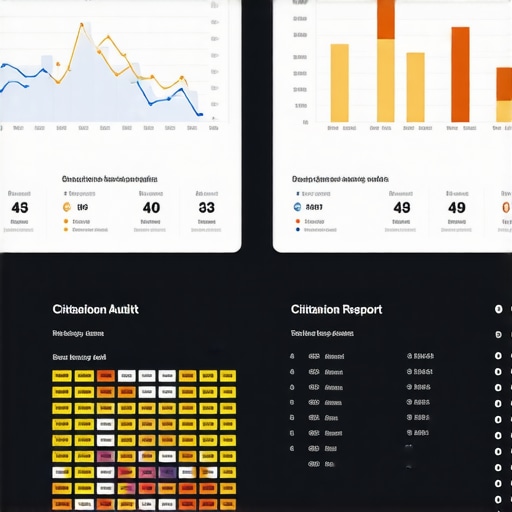
Over the years, I’ve come to depend on specific tools that streamline and strengthen my local SEO efforts. BrightLocal remains my go-to for real-time rank tracking across various locations and keywords, giving me early warnings of dips or upticks. Moz Local’s ability to detect and fix inconsistent NAP data is invaluable, ensuring my location signals are pristine. Additionally, Google’s Search Console provides insights into user engagement, revealing whether my content truly resonates locally. These tools are fundamental because they provide data-driven clarity, helping me stay ahead in the competitive 2026 landscape.
Empower Your Map Rankings—The Time Is Now
Remember, the future of map SEO is an evolving battlefield that rewards those who adapt and act promptly. Your GBP listing isn’t a set-it-and-forget-it asset but a living component of your local marketing strategy. Embrace continuous monitoring, leverage the right tools, and stay attuned to behavioral signals that matter in 2026. By doing so, you’ll not only improve your current rankings but set the stage for sustainable growth. Don’t wait for your competitors to outpace you—take action today, harness these insights, and watch your local presence flourish.
What is the most surprising or overlooked tactic you’ve discovered in your journey to improve map rankings? Share your experience below and let’s learn from each other!