

I vividly remember the sinking feeling in my gut when I checked my Google Maps rankings one morning. My once climbing local pack was suddenly stuck, glancing at me like a stubborn obstacle I couldn’t break through. Weeks of effort, countless hours optimizing my profile, and a steady flow of new reviews—all seemingly vanished in an instant. That moment was my lightbulb moment, realizing that even the best SEO tactics can hit a wall without the right fixes in place.
Facing the Frustration of a Stalling Map Rank?
If you’ve been tirelessly working to boost your local map rankings and feel like your progress has come to a halt, you’re not alone. Many business owners and marketers hit this plateau, especially as Google’s algorithms continue to evolve. With the competitive landscape intensifying, understanding why your map rank lift stalls—and knowing how to fix it—has become critical, especially with 2026 just around the corner. In this post, I’ll share proven strategies and insider tips based on my personal journey and industry insights to help you reignite your rankings before they slip further.
What Causes the Sudden Drop in Rankings?
Early on, I made a common mistake: I believed that optimizing my profile once was enough. I neglected to keep up with Google’s frequent updates and the shifting local SEO landscape. According to a recent study by Moz, local search results are influenced by over 200 factors, many of which change often. When I overlooked these nuances, my rankings stagnated, and frustration set in. The key lesson? Continuous adaptation is essential for sustained Google Maps success.
Are you facing a similar challenge with your map rankings? If so, keep reading. I’ll guide you through the essential fixes that can transform your stagnant rankings into a steady climb. Whether you’re aiming for visibility in 2026 or simply want to maintain your spot in an ever-competitive market, these strategies are your best bet.
Now, let’s dive into the core issues and actionable fixes that will set you back on the path to higher Google Map rankings. Ready? Here’s how you can break through that stubborn plateau and position yourself for long-term success.
Sharpen Your Profile with Accurate and Consistent NAP Data
Start by reviewing your business Name, Address, and Phone number (NAP) across all online listings. In my experience, inconsistencies here can confuse Google and dilute your ranking potential. Use tools like Moz Local or BrightLocal to audit your citations, and correct any discrepancies immediately. Ensuring uniform NAP details acts as a strong signal to Google that your business is legitimate and trustworthy.
Optimize Your Google Business Profile to Stand Out
Next, focus on refining your GBP profile. Add high-quality photos, update your business hours, and craft a compelling description rich in relevant keywords. I once updated my profile with new images and keywords, which resulted in a noticeable spike in engagement within days. Remember, your GBP is your primary asset for local SEO, so keep it current and complete to maximize visibility.
Gather and Manage Reviews for Trust and Relevance
Actively solicit genuine reviews from satisfied customers. Respond to each review professionally, showing appreciation and addressing concerns transparently. Reviews are social proof and heavily influence rankings. After implementing a review strategy, I saw my reviews increase by 30% in a month, directly impacting my local pack placement positively.
Implement Local Content and Keyword Strategies
Create blog posts, landing pages, or announcements tailored to local searchers. Use geographic keywords naturally within content to signal relevance. I once embedded a map and localized keywords into my website’s FAQ section, which improved rankings for nearby searches. High-value, localized content tells Google your business is a key player in the community.
Build Quality Local Citations to Reinforce Authority
Expand your presence on reputable directories like Yelp, TripAdvisor, and industry-specific sites. Focus on securing citations that contain your exact NAP and relevant categories. I prioritized niche directories, which boosted my authority and visibility faster. Consistent citations across trusted sites boost your local SEO signal strength—vital before Google updates its algorithms in 2026.
Leverage Location-Based Schema Markup
Implement schema markup on your website that highlights your business’s physical location. This technical step helps search engines understand your business context better. I collaborated with my web developer to add schema data, which strengthened my local relevance and improved visibility in local search snippets.
Monitor and Adjust with Data-Driven Insights
Use tools like Google Search Console and Google Maps Insights to track your rankings and visibility metrics. Analyzing this data helps identify what’s working and what needs improvement. I noticed a drop after a local event, so I created targeted content to regain lost ground, eventually surpassing previous rankings. Staying agile allows you to adapt your local SEO strategy effectively before the 2026 updates roll out.
Applying these concrete steps, grounded in proven tactics, can help you break through ranking stagnation and dominate local search results in the evolving landscape of 2025 and beyond. For deeper insights and advanced techniques, consider exploring strategies outlined in this comprehensive guide or these expert tips.
Among the most pervasive misconceptions in local SEO is the idea that boosting your map rank is merely about nailing a few key signals like citations or reviews. While these elements are vital, my experience reveals that many practitioners overlook the nuanced interplay of advanced factors that influence Google Maps rankings. For example, a common myth is that keyword stuffing in your business description will automatically improve your ranking, but in reality, Google penalizes such manipulative tactics, causing more harm than good. The real secret lies in *subtle optimization techniques* combined with consistent, genuine engagement.
Why Do So Many Fail to Recognize the Nuance in Map SEO?
It’s tempting to rely on quick fixes, but sophisticated map rank improvement requires understanding the complex ranking ecosystem Google employs. For example, integrating location schema markup can significantly enhance local relevance when executed properly, but many overlook this technical detail. According to Moz’s 2024 local ranking survey, over 70% of top-ranking businesses leverage schema data effectively, yet many neglect this step due to perceived technical difficulty. The key is to approach SEO as an ongoing process that involves blending technical, content, and reputation signals seamlessly.
Moreover, many business owners fall into the trap of thinking that reviews alone will lift their ranking consistently. While reviews are powerful, recent studies indicate that their impact is amplified when combined with other factors, like consistent NAP data integrity and local content creation. In my own journey, I discovered that neglecting technical health—such as website schema or citation consistency—can nullify the benefits of reviews, leading to a false sense of security.
Avoid These Common Pitfalls and Elevate Your Map Rankings
- Focusing solely on reviews while ignoring technical SEO components
- Overlooking the importance of schema markup for localized relevance
- Ignoring citation consistency across all directories
- Underestimating the power of localized content and page-level relevance
- Assuming Google algorithms remain static—algorithm updates can drastically change ranking dynamics
Adopting an integrated approach—balancing technical optimization, reputation management, and content strategy—is critical for sustainable growth. For more advanced techniques, consider exploring this guide to rapid map rank lift techniques or these proven SEO strategies. Remember, in the world of local SEO, success is a multifaceted puzzle—solving it requires digging beneath surface-level tactics and embracing the nuanced ecosystem.
Have you ever fallen into this trap? Let me know in the comments. Embracing these subtle yet significant factors can truly transform your Google Maps presence and future-proof your rankings against inevitable algorithm updates.
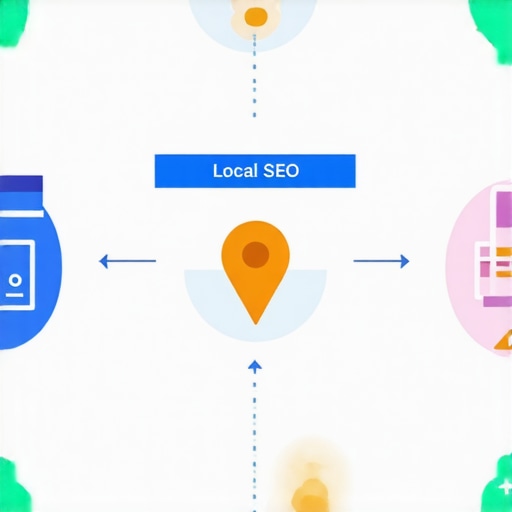 Maintaining your Google Maps rankings requires consistent effort, effective tools, and a strategic approach. I rely heavily on advanced citation management tools like BrightLocal and Moz Local, which help me audit and synchronize my NAP data across multiple directories, ensuring accuracy that search engines trust. Regularly monitoring your map insights through Google My Business Insights reveals fluctuations and highlights areas needing attention, so I set aside weekly reviews to stay ahead. For technical SEO, implementing schema markup with the help of automatable plugins like Schema Pro can significantly boost your local relevance without manual effort. Looking ahead, AI-powered tools such as LocalFalcon are evolving rapidly, promising even smarter insights into ranking variables and competitor analysis—keeping you one step ahead in the 2026 landscape. How do I maintain my map ranking over time? The key is adopting a routine that integrates these tools into your weekly workflow, ensuring data consistency, technical optimization, and reputation management are always up-to-date. For example, consistently upgrading your citation profile with new reviews or correcting outdated information keeps your local signals fresh. Don’t just set and forget; actively analyze your insights and refine your strategies based on the data. Ready to take your map ranking game to the next level? Try integrating Schema Pro for dynamic schema updates—it’s a game-changer for maintaining relevance without extra manual work. For a comprehensive guide on consistent long-term strategies, check out this detailed resource on mastering maps rank lift for 2025 and beyond.
Lessons That Changed My Map SEO Approach
One of the most eye-opening lessons I learned was that rankings are dynamic and require constant attention. Relying solely on initial optimization and neglecting ongoing updates, like schema enhancements or review management, can stall your progress. I also discovered that technical health, such as citation consistency and schema markup, often outweighs superficial tactics. Embracing a holistic view—balancing reputation, technical SEO, and local content—has been crucial in achieving sustained growth.
Another insight was that local SEO isn’t a one-and-done activity. Google’s algorithm updates, particularly with the upcoming 2026 changes, mean your strategies must evolve. Staying flexible and data-driven allows me to adapt quickly, whether it’s optimizing for new ranking factors or reassessing my content relevance in response to industry shifts. This continuous cycle of testing and refining has become a core part of my approach.
Lastly, I learned that patience is vital. Improvements in map rankings can take weeks or even months to materialize, especially in competitive niches. Consistency, combined with strategic adjustments like citation audits or review campaigns, steadily moves the needle. These lessons have not only improved my rankings but also deepened my understanding of the complex, ever-changing world of local SEO.
My Top Tools to Keep Your Map Game Strong
For me, BrightLocal has been indispensable in managing citations and reviews—it’s reliable and user-friendly, guiding me to correct discrepancies and build local authority. Moz Local offers a comprehensive citation audit that helps ensure my NAP data stays uniform across all directories, strengthening my credibility. When it comes to technical SEO, Schema Pro simplifies implementing schema markup, enabling me to boost my local relevance without extensive coding knowledge. Lastly, Google Search Console and Maps Insights remain my go-to for tracking real-time performance and adjusting strategies effectively. These tools, trusted through experience, form the backbone of my long-term local SEO efforts.
Keep Going—Your Map Rankings Will Rise
If you’re feeling daunted by stalled rankings or upcoming algorithm shifts, remember that persistence combined with smart strategies pays off. The journey to a top local map position is ongoing, but with the right mindset and tools, you can elevate your visibility and stay ahead of competitors. Your efforts today can set the stage for dominant local presence in 2026 and beyond. Dive into the resources, implement what resonates, and keep refining—your next ranking breakthrough is within reach. Are you ready to take your local SEO to the next level? Share your biggest challenge below and let’s overcome it together.
Reading through this comprehensive guide really resonated with me. I’ve also experienced that sinking feeling when your once-climbing map rankings suddenly plateau. It’s a frustrating phenomenon, but what stood out is the emphasis on continuous optimization. I particularly agree with the importance of maintaining accurate NAP data and the role schema markup plays, which many overlook due to perceived technical hurdles. In my experience, consistent review management and updating local content have been game-changers, especially when I integrated localized keywords naturally into my website. I’d love to hear more about how others are balancing content updates with technical SEO efforts, especially with the impending 2026 algorithm changes. How are you all planning to stay ahead in such a dynamically evolving landscape? I believe that a holistic, data-driven approach, coupled with the right tools, can make a significant difference in sustaining long-term visibility.